A guest post about Disney characters in therapy:

Please welcome back to the blog guest poster, Dan! Today, he’s sharing his wisdom as a counselor with a Disney twist as he shares his thoughts about the most likely Disney characters in therapy.
As a master’s-level counselor of various paths with over a decade of experience in mental health education, youth services, and crisis support, I’ve spent a lot of time helping real people make sense of their Strange Worlds.
I’ve also spent a lot of time watching Disney movies, sometimes even developing curriculum based on them. Somewhere between those two passions, I found a playful outlet for something very serious: mental health awareness. I figure it’s cheaper and more helpful than getting my fifteenth Disney tattoo.
This series is where those worlds meet.
Now, to be clear: I’m not offering clinical diagnoses here. That’s something that can only be done through formal evaluation by a licensed professional. But when it comes to animated characters with suspiciously relatable behavior? That’s fair game.
This is meant to educate, entertain, and invite conversation and absolutely not to stigmatize or make light of mental illness. Sometimes, seeing ourselves in fictional characters helps us better understand what we’re going through in real life. And if a certain snow queen, wooden puppet, or alien experiment reminds you of yourself or someone you love, you’re not alone.
So let’s dig into the DSM with our Mickey ears on. You might be surprised how many mental health concepts show up in castles, kitchens, and karaoke scenes.
20 Disney characters who would totally be in therapy – and why
Because even magical kingdoms can’t protect you from childhood trauma, delusions of grandeur,
or unresolved grief.
Elsa

Property: Frozen
Potential Diagnosis: Avoidant Personality Disorder (301.82)
Why: She isolates herself due to fear of rejection and harming others, avoids social interaction despite a desire for closeness, and sees herself as fundamentally flawed.
Treatment: Long-term therapy focusing on building trust and self-worth. Cognitive Behavioral Therapy (CBT) and Schema Therapy can help challenge core beliefs and increase social engagement.
Wanda Maximoff

Property: MCU
Potential Diagnosis: Brief Psychotic Disorder with Marked Stressor (298.8)
Why: Following immense grief and trauma, she hallucinates, detaches from reality, and creates an alternate world in WandaVision.
Treatment: Antipsychotic meds short-term, intensive trauma therapy, grief counseling, and ongoing psychiatric monitoring.
Darth Vader

Property: Star Wars
Potential Diagnosis: Borderline Personality Disorder (301.83)
Why: Identity instability, impulsive aggression, extreme fear of abandonment (hi, Padmé), and emotional volatility that leads to catastrophic decisions.
Treatment: Dialectical Behavior Therapy (DBT), which helps with emotional regulation, interpersonal effectiveness, and distress tolerance.
Eeyore

Property: Winnie-the-Pooh
Potential Diagnosis: Depressive Disorder due to Another Medical Condition (293.83)
Why: Chronic low mood, slow physical movements, hopelessness – likely linked to a neurological or biological condition rather than situational factors.
Treatment: Medical evaluation to rule out physical causes, followed by supportive psychotherapy and possibly medication.
Marlin

Property: Finding Nemo
Potential Diagnosis: Generalized Anxiety Disorder (300.02)
Why: Excessive worry, worst-case-scenario thinking, difficulty letting his son explore or take risks, and sleep problems.
Treatment: CBT with exposure techniques, mindfulness training, and possible SSRI medication for anxiety.
Tony Stark

Property: MCU
Potential Diagnosis: Post-Traumatic Stress Disorder (309.81)
Why: Following the Battle of New York, Tony exhibits flashbacks, panic attacks, obsessive safety behavior (see: 40 Iron Man suits), and avoidance of emotional vulnerability.
Treatment: Trauma-focused CBT, EMDR, somatic therapy, and mindfulness training. Also: cut back on the arc reactor tinkering at 3 a.m.
Bing Bong

Property: Inside Out
Potential Diagnosis: Persistent Complex Bereavement Disorder (309.89)
Why: Grief so intense it impairs functioning. Bing Bong can’t accept that his purpose is gone – stuck in a memory of being needed.
Treatment: Grief counseling, meaning-making therapy, and possibly group therapy with other retired imaginary friends.
Jack Sparrow

Property: Pirates of the Caribbean
Potential Diagnosis: Alcohol Use Disorder, Severe (303.90)
Why: Risky behavior, physical dependence, repeated consequences from drinking, and little concern for outcomes.
Treatment: Detox under supervision, long-term sobriety programs (e.g., 12-step or SMART Recovery), and therapy to address root causes like trauma.
Cinderella
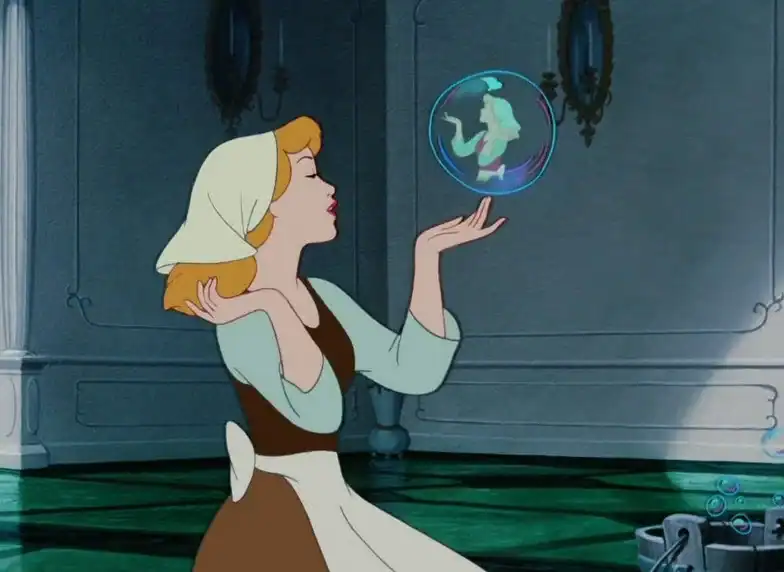
Property: Cinderella
Potential Diagnosis: Adjustment Disorder with Depressed Mood (309.0)
Why: Grief and abuse cause emotional shutdown, low self-esteem, and hopelessness, but symptoms improve once her situation changes.
Treatment: Short-term supportive therapy, expressive therapies (like journaling or art), and rebuilding social support systems.
Bruce Banner

Property: MCU
Potential Diagnosis: Intermittent Explosive Disorder (312.34)
Why: Sudden, violent outbursts disproportionate to stressors, followed by remorse. (You wouldn’t like him when he’s angry.)
Treatment: Anger management training, mood stabilizers, CBT, and mindfulness practices to catch triggers early.
Miguel

Property: Coco
Potential Diagnosis: Oppositional Defiant Disorder (313.81) (initially)
Why: Defies family rules, is argumentative, and tests boundaries – though it stems from a desire for self-expression, not malice.
Treatment: Family therapy, behavioral parent training, and affirming Miguel’s identity and talents while setting boundaries.
BoJack Horseman

Property: BoJack Horseman (Hulu)
Potential Diagnosis: Major Depressive Disorder, Recurrent, Severe (296.33)
Why: Persistent hopelessness, substance use, suicidal ideation, and deep self-loathing spanning multiple seasons.
Treatment: Antidepressant medication, trauma-informed therapy (like EMDR), DBT for emotional regulation, and strong social support systems.
Peter Pan
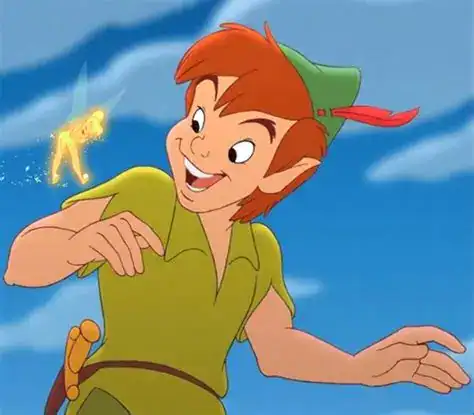
Property: Peter Pan
Potential Diagnosis: Delusional Disorder, Grandiose Type (297.1)
Why: Fixed belief in never aging, being a magical hero, and staying in a fantasy world – with no insight into reality.
Treatment: Antipsychotic meds if functioning is impaired, reality testing through therapy, and addressing fear of adulthood.
K-2SO

Property: Rogue One: A Star Wars Story
Potential Diagnosis: Autism Spectrum Disorder, Level 1 (F84.0)
Why: Difficulty reading social cues, literal communication style, and limited affect – but highly intelligent, loyal, and structured.
Treatment: Social skills training, sensory regulation supports, and cognitive strategies tailored to strengths.
Loki

Property: MCU
Potential Diagnosis: Antisocial Personality Disorder (301.7)
Why: Chronic deceit, manipulation, disregard for rules, and lack of remorse – especially early on.
Treatment: Challenging to treat. Long-term therapy focused on accountability and empathy-building, especially with a motivated client. (Multiverse variants don’t count.)
Cruella de Vil

Property: Cruella (2021)
Potential Diagnosis: Narcissistic Personality Disorder (301.81)
Why: Grandiosity, lack of empathy, sense of entitlement, and obsession with being seen as superior or iconic.
Treatment: Psychodynamic therapy to address core insecurities and promote empathy. Long haul – personality disorders are tricky.
Dory

Property: Finding Nemo and Finding Dory
Potential Diagnosis: Mild Neurocognitive Disorder (331.83)
Why: Persistent short-term memory loss affecting daily functioning, but with preserved independence and personality.
Treatment: Environmental adaptations, memory aids, structured routines, and cognitive support therapies.
Jessica Rabbit

Property: Who Framed Roger Rabbit?
Potential Diagnosis: Histrionic Personality Disorder (301.50)
Why: Emotionally dramatic, sexually provocative, and reliant on external validation – but genuinely caring underneath.
Treatment: Psychodynamic or schema therapy to explore attachment needs and reduce reliance on performance for approval.
Miguel O’Hara (Spider-Man 2099)

Property: Across the Spider-Verse
Potential Diagnosis: Obsessive-Compulsive Personality Disorder (301.4)
Why: Preoccupation with order, rules, and control – especially over the multiverse – to the point of dysfunction and rigidity.
Treatment: CBT focused on flexibility, perfectionism, and control. Also some serious work on multiversal trauma.
Joy

Property: Inside Out
Potential Diagnosis: Hypomanic Episode (296.89, provisional)
Why: Excessive energy, pressured behavior, lack of sleep, distractibility, and denial of other emotions.
Treatment: Mood stabilizers if symptoms escalate, therapy for emotional integration, and increasing tolerance for sadness.
Related Posts
Do you agree with Dan’s choices for these Disney characters in therapy? What would you add to the list?

Leave a Reply